In an increasingly digital world, accessibility plays a crucial role in ensuring equal opportunities and experiences for individuals with disabilities. Global Accessibility Awareness Day (GAAD) is an annual event that takes place on the third Thursday of May and aims to foster a dialogue about digital accessibility and promote the importance of creating inclusive online spaces. GAAD brings together individuals, organizations, and communities to raise awareness, share knowledge, and inspire action. In this post, we will dive into the significance of GAAD and explore how it promotes a more inclusive digital landscape.
Understanding Digital Accessibility:
Accessibility refers to the design and development of products, services, and environments that can be used by people with disabilities which refer to physical locations. It goes beyond physical accommodations and does encompass digital spaces as well, which focuses on ensuring that websites, applications, and digital content can be accessed and used by everyone, regardless of their abilities. By embracing accessibility principles, we can create a more inclusive and equitable online world.
Who is Affected By Digital Accessibility Issues?
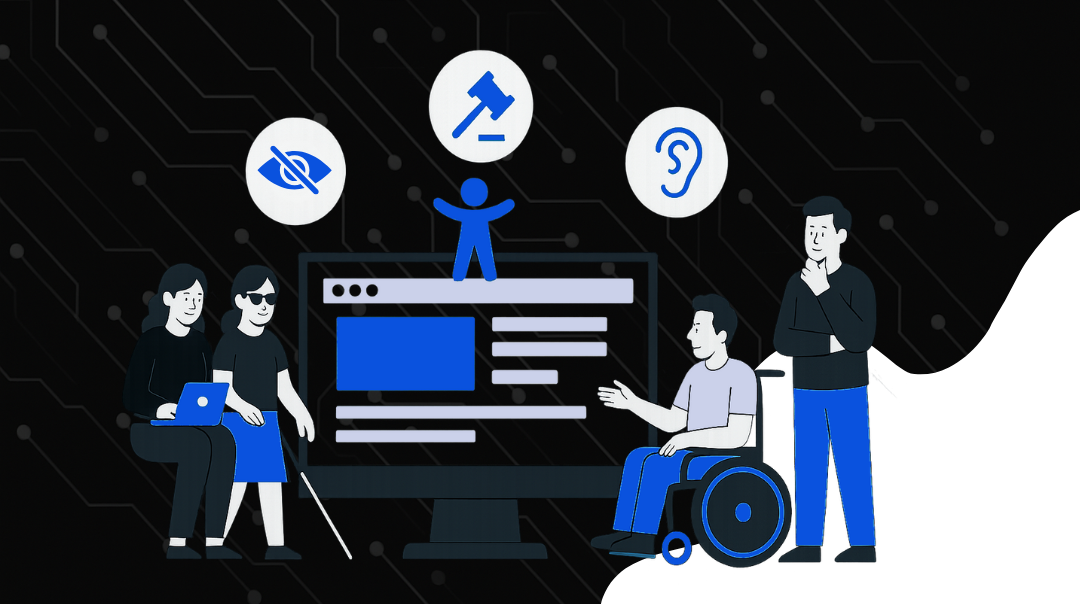
In short, everyone! When we create experiences that accommodate people with disabilities they have a profound impact on all users. But, if you have to break it down we would look at the following 4 types of disabilities:
- Physical: These people will have trouble using a mouse or keyboard and thus use technology that replaces such items. Examples include: Cerebral Palsy, Arthritis, MS, Paralysis, and Parkinson’s.
- Visual: Many people that we’ve talked to think that this only includes folks that are blind, but when we talk about visual disabilities it actually affects a lot more people than you think. Examples include: Blindness, Low Vision, and Color Blindness.
- Cognitive: Those that have cognitive disabilities also need be thought about when we are designing and developing digital properties. Examples include: Autism, ADHD, Stroke, and Alzheimer’s.
- Auditory: If you have any audio on your website or app we need to think about those that are hearing impaired. Examples include: Conductive hearing loss, deafness, Otosclerosis, and Tinnitus.
The Importance of GAAD:
- Raising Awareness: GAAD acts as a catalyst for promoting awareness about the need for accessible digital experiences. It encourages individuals, businesses, and organizations to learn more about the barriers faced by people with disabilities and the ways to overcome them. By raising awareness, GAAD fosters a sense of empathy and understanding among individuals who may not have previously considered the challenges faced by those with disabilities.
- Empowering Individuals: GAAD empowers individuals with disabilities by showcasing the tools, technologies, and resources available to enhance their digital experiences. It serves as a platform for individuals to share their stories and insights, amplifying their voices and advocating for change. By highlighting success stories and sharing practical solutions, GAAD inspires individuals to embrace accessibility and take steps towards creating a more inclusive digital environment.
- Educating and Engaging: GAAD offers a wealth of educational resources, webinars, workshops, and online events that provide valuable insights into digital accessibility. It brings together experts, professionals, and enthusiasts who share their knowledge, best practices, and innovative approaches to accessibility. These resources not only benefit web developers, designers, and content creators but also help individuals with disabilities understand their rights and equip them with the knowledge to advocate for accessible experiences.
- Collaboration and Partnerships: GAAD encourages collaboration among individuals, organizations, and businesses to collectively address accessibility challenges. It serves as a platform to build partnerships and share ideas, fostering a sense of community and collective responsibility. By working together, stakeholders can collaborate on projects, share expertise, and create accessible solutions that benefit a wider audience.
Promoting Accessibility Beyond GAAD:
While GAAD serves as an important reminder to prioritize accessibility, it is crucial to recognize that accessibility should be an ongoing commitment. Here are a few ways we can promote accessibility beyond GAAD:
- Designing Accessible Experiences: Integrate accessibility considerations into the design and development process of websites, applications, and digital content. Follow accessibility guidelines such as the Web Content Accessibility Guidelines (WCAG) to ensure that your digital offerings are accessible to a diverse audience.
- Testing and Evaluation: Regularly test and evaluate your digital products for accessibility. Conduct user testing sessions with individuals with disabilities to gather feedback and identify areas for improvement. Accessibility audits and evaluations can help uncover barriers and provide insights into making necessary enhancements.
- Training and Education: Invest in accessibility training for your team members, including developers, designers, content creators, and product managers. Enhance their understanding of accessibility principles, techniques, and tools to ensure accessibility is considered throughout the development lifecycle.
- Engage with the Accessibility Community: Join forums, mailing lists, and social media groups dedicated to accessibility. Engaging with the accessibility community allows you to stay updated on the latest trends, share.
Let’s ensure that we are doing our best to include everyone. Celebrate GAAD and help bring awareness to your organization.